Why Upgrade Your Pool Deck?
Your pool deck is one of the most used outdoor spaces on your property throughout the summer months. It takes a constant beating from water, UV rays, pool chemicals, foot traffic, and the freeze-thaw cycles of Northeast winters. Over time, concrete pool decks crack, spall, and become discolored and uneven — creating both safety hazards and an unattractive view.
Upgrading your pool deck is one of the highest-impact home improvement projects you can undertake. It not only improves safety and functionality but dramatically increases your home's outdoor living appeal and market value. JL Construction Group has transformed hundreds of pool areas across Westchester, and Fairfield County, CT.
Best Materials for Pool Deck Upgrades
1. Natural Stone Pavers
Bluestone, travertine, and granite are perennial favorites for pool decks in the NY/CT market. Natural stone provides an unmatched upscale appearance, is naturally cool underfoot, and gains character as it weathers over time. Bluestone in particular is extremely common in Westchester and Fairfield County for its neutral grey tones that complement both traditional and contemporary homes.
Natural stone creates a timeless, resort-like aesthetic around any pool.
2. Brick Pavers
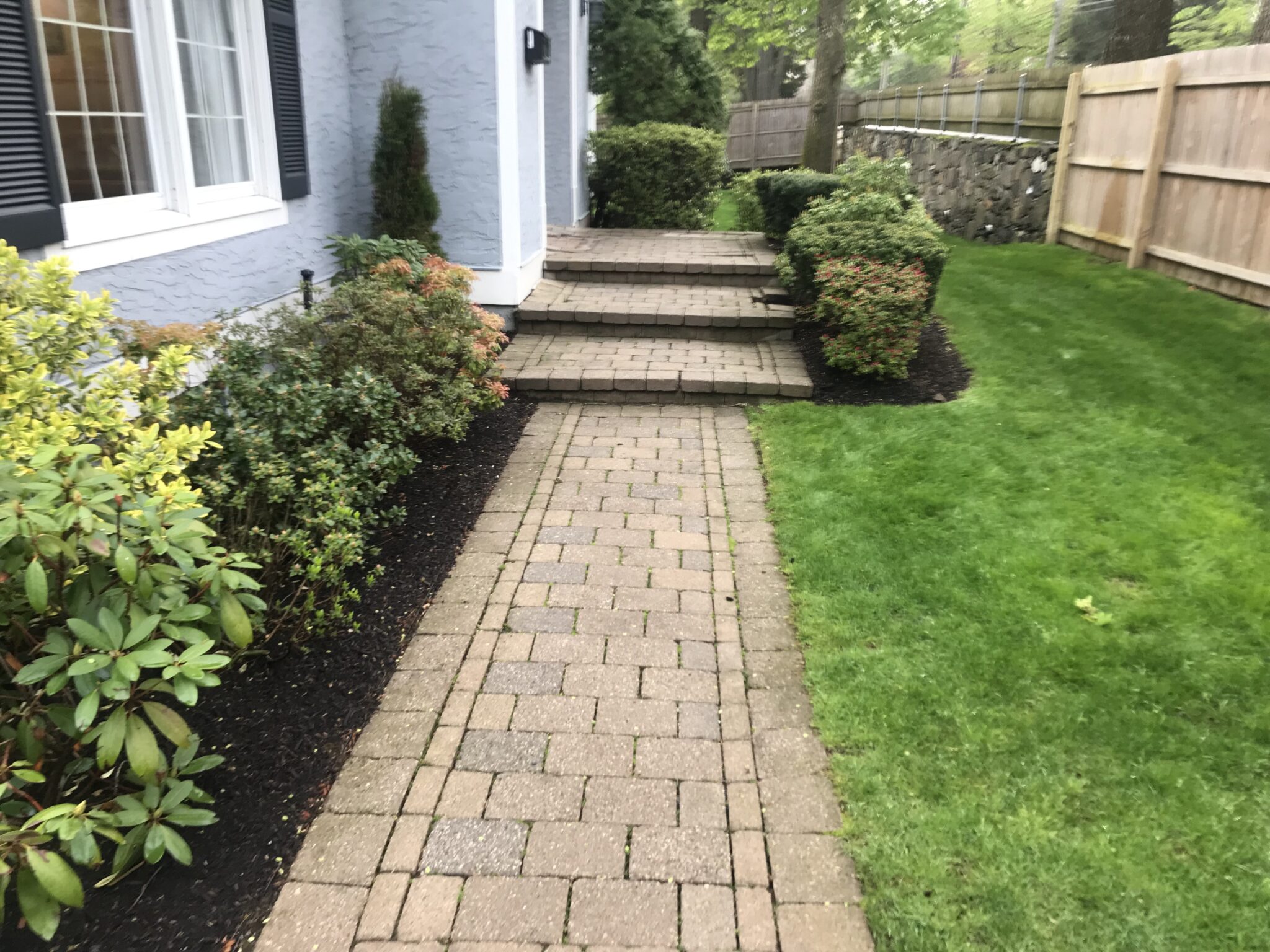
Red and buff brick pavers are a classic choice that never looks dated. They are slip-resistant, durable, and work beautifully in a variety of patterns including herringbone, running bond, or basket weave. Individual pavers can be lifted and replaced if they crack or settle, making long-term maintenance straightforward.
3. Concrete Pavers
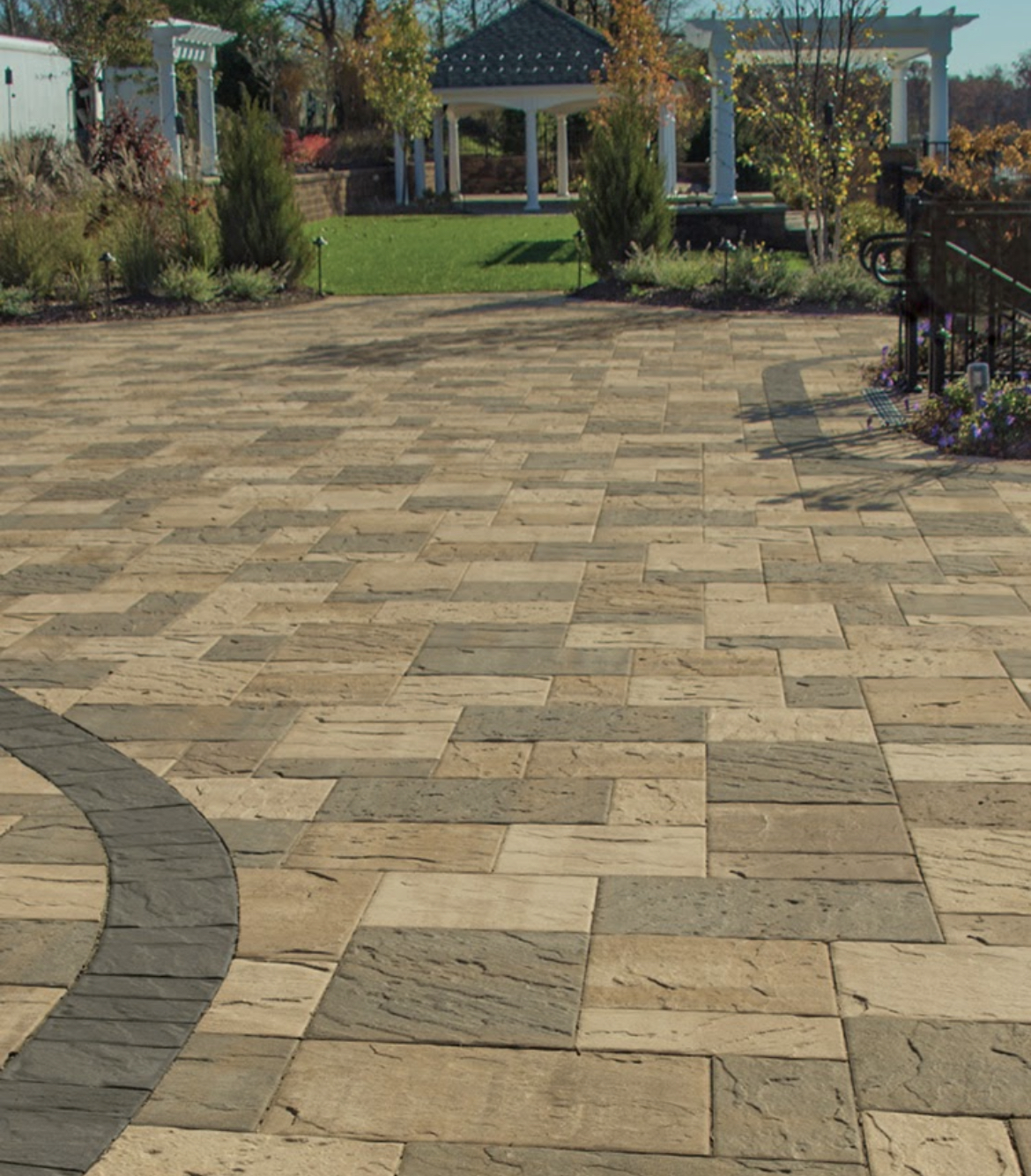
Manufactured concrete pavers offer a wide range of colors, shapes, and textures that mimic natural stone at a lower price point. They are extremely durable, consistent in size, and available in a range that includes wood-look planks and irregular flagstone shapes. For large pool areas on a budget, concrete pavers offer exceptional value without sacrificing aesthetics.
4. Belgian Block Accents
Belgian block is frequently used as a border material around pool decks — either as a perimeter edge, a transition between the coping and the deck surface, or as a channel to guide water away from the pool. The contrast of grey cobblestones against natural stone or brick deck material creates a clean, refined look.
Critical Safety Note
All pool deck surfaces must be installed with a slight slope away from the pool (typically 1/8" to 1/4" per foot) to ensure water drains properly and does not flow back into the pool or collect on the deck surface. Proper drainage prevents both slip hazards and surface deterioration from standing water.
What Does a Pool Deck Renovation Involve?
A typical pool deck upgrade follows these phases:
- Demo & Removal: The existing concrete or old paver surface is broke up and hauled away.
- Sub-base Preparation: The area is excavated, graded for proper drainage slope, and compacted with aggregate base material.
- Coping Integration: Coping stones (the cap around the pool edge) are set or replaced to integrate seamlessly with the new deck.
- Paver or Stone Installation: The selected material is laid with precision, cut to fit, and set in a mortar or sand base depending on the material.
- Jointing & Sealing: Polymeric sand or mortar is applied to the joints, and a penetrating sealer is applied to protect the surface and enhance color.
Return on Investment
A high-quality pool deck renovation typically returns between 50-70% of its cost in added home value, and significantly improves the enjoyment and usability of your outdoor space. In competitive real estate markets like Greenwich, Scarsdale, or Great Neck, a well-executed outdoor living upgrade can make the difference between a quick sale and a home that sits on the market.
Ready to create your dream outdoor living space? Get your free pool deck estimate from JL Construction today!