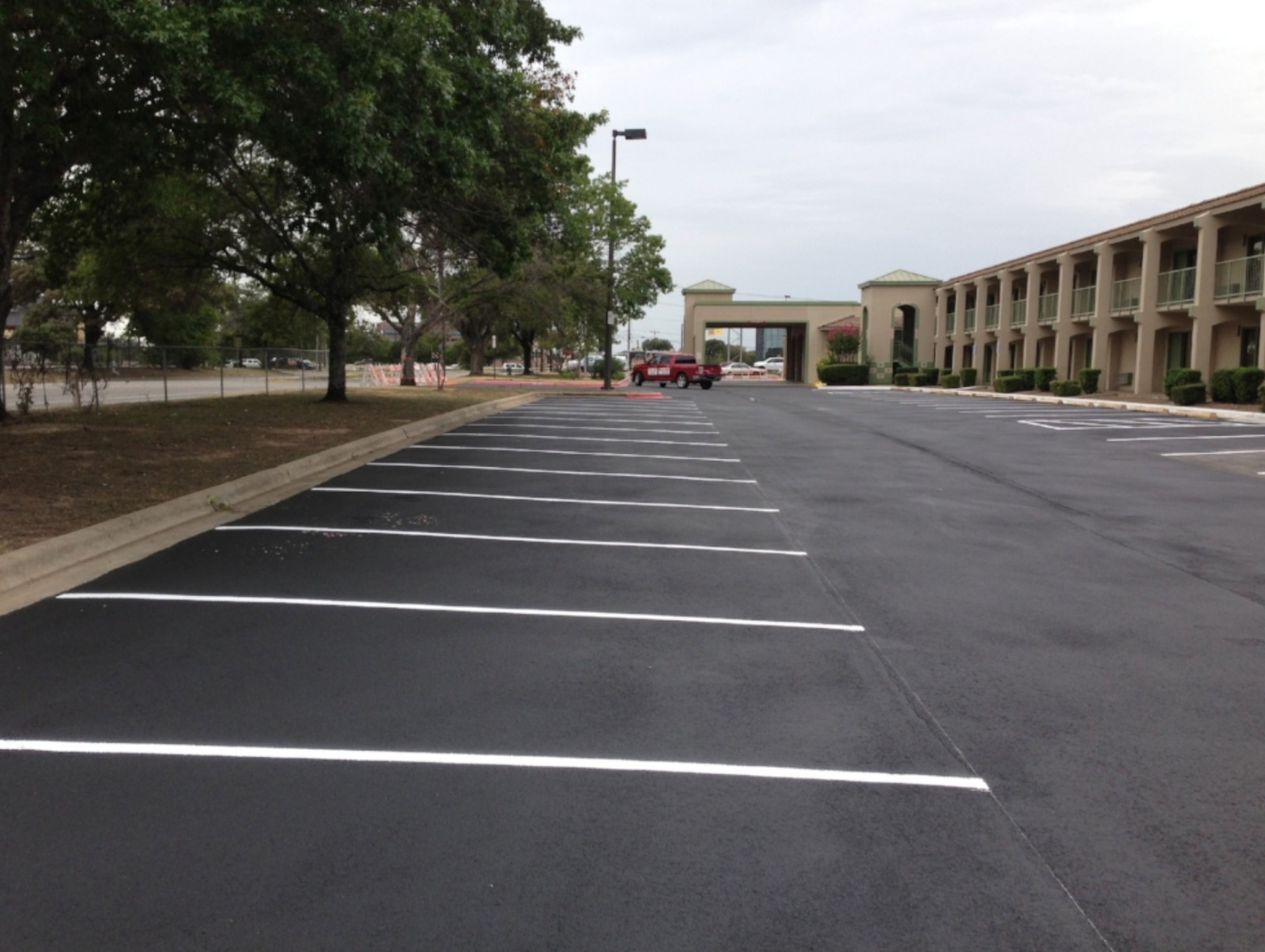
Why Parking Lot Maintenance Matters
Your parking lot is often the first physical touchpoint a customer has with your business. A cracked, pothole-riddled, faded surface signals neglect and can deter potential customers before they ever walk through your door. Beyond aesthetics, a deteriorated parking lot is a serious liability — potholes and uneven surfaces can cause vehicle damage and personal injury lawsuits.
The commercial paving experts at JL Construction Group have maintained parking lots for businesses across New York and Connecticut for over 25 years. Every commercial property manager or business owner should understand these key maintenance tasks.
Key Parking Lot Maintenance Tasks
1. Regular Inspections
Walk your parking lot at least twice a year — ideally in spring (to assess winter damage) and fall (before the next winter season hits). Look for new cracks, areas where water is pooling, crumbling edges, faded striping, and any pavement that sounds hollow when you step on it (a sign of a failed sub-base beneath).
2. Crack Sealing
Cracks are the enemy. Water seeping into cracks — then freezing and expanding through the winter — is the primary driver of pavement deterioration. Small hairline cracks should be cleaned and routed before being filled with a hot-applied rubberized crack sealant. This is one of the most cost-effective maintenance measures available, extending pavement life by years at a fraction of the cost of repaving.

Regular maintenance extends the life of commercial asphalt by 10-15 years.
3. Sealcoating
Sealcoating is essential for commercial lots that endure heavy traffic, UV exposure, and petroleum spills from vehicles. A quality sealcoat replenishes the maltene content in the asphalt binder, restores flexibility, and creates a protective shield against the elements. Expect to re-sealcoat a busy commercial lot every 2-3 years.
Pro Tip: Schedule Smart
Plan sealcoating for early fall. The temperatures are ideal (above 50°F, below 90°F), and you protect the lot before the harsh winter season. Coordinate with your business hours to minimize customer disruption — many contractors can sealcoat in sections overnight.
4. Pothole Patching
Potholes should never be ignored. They grow rapidly — especially through freeze-thaw cycles — and the liability from vehicle damage or a customer fall can far exceed the cost of a proper patch. Don't rely on temporary cold-patch repairs; a permanent hot-mix infrared patch, performed by a professional, will last for years and match the surrounding pavement.
5. Line Striping
Faded parking lines are not just unsightly — they can lead to confusion, accidents, and ADA compliance violations if accessible parking spaces are not clearly designated. Restripe your lot every 1-2 years, or whenever lines become difficult to see from a standing height. Ensure you have the correct number of accessible spaces based on your lot's total capacity.
6. Drainage Review
Standing water accelerates pavement failure. If you notice water ponding in certain areas after rain, the lot may have settled or was never graded properly. A quick re-grading or the addition of a channel drain can solve the problem before it destroy the surrounding pavement.
When to Repave vs. Maintain
As a general rule: when more than 30-35% of your lot surface area shows significant distress, it is more economical to mill and overlay or fully repave than to patch and seal repeatedly. A JL Construction estimator can walk your lot with you and give you an honest assessment of whether maintenance or a new surface is the smarter investment.
Need a professional parking lot inspection? Schedule your free commercial estimate today!